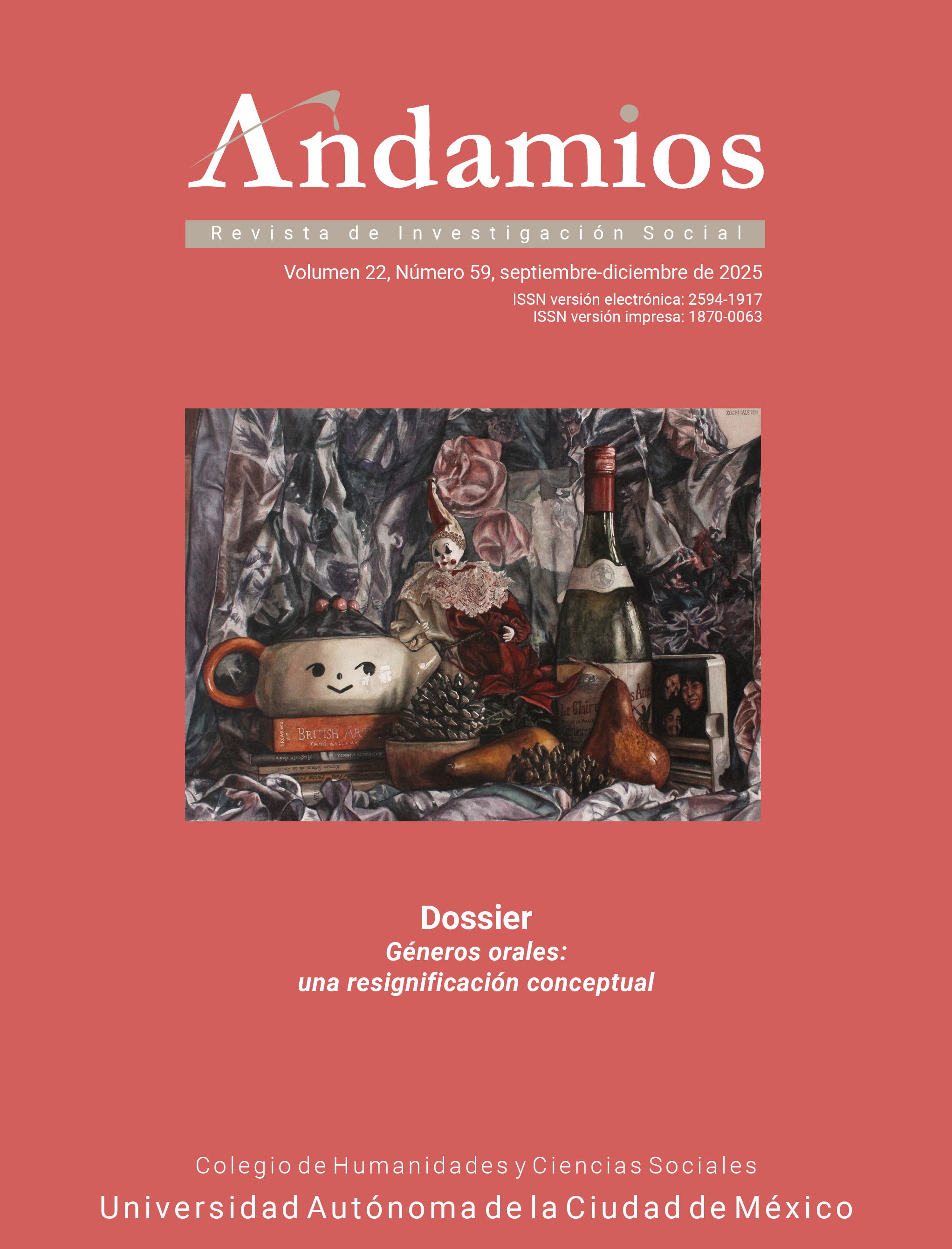
Transnational Democracy in Ecuador: the Impact of Voting Abroad and Migrant Representation
DOI:
https://doi.org/10.29092/uacm.v22i59.1230Keywords:
Ecuador, democracy, technology, migration, social exclusionAbstract
On the global stage, Ecuador stands out as one of the few countries that grants its citizens abroad the right to vote and the ability to elect migrant representatives to the legislature. This expansion of political-electoral rights has the potential to profoundly influence multiple dimensions of Ecuadorian democracy. In this article, we examine this issue through an analysis grounded in empirical evidence, exploring the effects of external voting and the allocation of legislative seats in relation to democratic quality, political representation, and technological advancements. Based on this, we argue that these mechanisms contribute to the inclusion of historically marginalized sectors, the strengthening of political culture, and the broadening of the concept of citizenship.
Downloads
References
Downloads
Published
Issue
Section
License
This Journal is licensed under Creative Commons Mexico 2.5. It is allowed to reproduce and disseminate the contents of the Journal for educational or research purposes, not for profit, as long as they are not mutilated and cite the source (Andamios, Revista de Investigación Social) and the author.
The copyright of the articles published in Andamios, Revista de Investigación Social are transferred by the author(s) to Universidad Autónoma de la Ciudad de México when the originals have been accepted, so that they are published and distributed both in the printed and electronic versions of the Journal. However, as established by law, the author(s) retains their moral rights. The author(s) will receive a form of assignment of copyright that they must to sign when their original has been accepted. In the case of collective articles, the signature of one of the authors will suffice, provided that the latter has obtained the consent of the others.
Authors may use the material of their article in other works or books published by themselves, with the condition of quoting Andamios as the original source of the texts.
The articles contained in this publication are the responsibility of their authors and do not compromise the official position of Andamios, Revista de Investigación Social of the Universidad Autónoma de la Ciudad de México.